


What Are the Different Types of Roof Coatings Available for Commercial Buildings?
A Comprehensive Guide to Commercial Roof Coating Options for North Carolina Property Owners
TL;DR – Key Points:
- Acrylic coatings – Most cost-effective, excellent UV resistance and reflectivity, ideal for well-drained roofs seeking energy savings
- Silicone coatings – Superior ponding water resistance, longest lifespan (15-20+ years), best for roofs with drainage challenges
- Polyurethane coatings – Exceptional durability and impact resistance, ideal for high-traffic roofs and equipment areas
- Asphalt-based coatings – Traditional economical option for temporary protection, limited reflectivity and shorter lifespan
- Energy efficiency benefits – Reflective coatings reduce roof temperatures by 50-80°F, cutting cooling costs by 10-30%
- Proper application critical – Surface preparation, correct thickness, and professional installation ensure warranty coverage and performance
- Selection factors – Consider existing roof type, drainage conditions, traffic demands, and long-term lifecycle costs
When commercial building owners face aging roofing systems or seek to extend the life of their existing roofs, roof coatings offer a cost-effective alternative to complete replacement. For properties throughout North Carolina, where intense summer heat, UV exposure, and variable weather conditions accelerate roof deterioration, the right coating system can add years of reliable service while improving energy efficiency and reducing maintenance costs.
However, not all roof coatings perform equally, and selecting the appropriate coating type for your specific roof system, climate conditions, and performance goals requires understanding the distinct characteristics, advantages, and limitations of each coating technology. From silicone and acrylic to polyurethane and asphalt-based options, each coating type brings unique properties that make it ideal for certain applications while less suitable for others.
For commercial property owners in Raleigh, Durham, Greensboro, Winston-Salem, and throughout North Carolina, this comprehensive guide examines the major roof coating types available, helping you make informed decisions about protecting and extending your commercial roofing investment.
Understanding Commercial Roof Coatings: The Basics
Before diving into specific coating types, it’s important to understand what roof coatings are and how they function to protect and extend commercial roofing systems.
What Roof Coatings Do: Commercial roof coatings are liquid-applied membranes that cure to form a seamless, protective layer over existing roofing systems. Unlike traditional roof replacement which removes and discards the old roof, coatings work with existing roof substrates, adding a new protective layer that addresses aging, weathering, and minor damage while extending roof service life.
Quality roof coatings provide multiple protective functions: they create a waterproof barrier that seals the existing roof surface, reflect solar radiation to reduce heat absorption and cooling costs, resist UV degradation that breaks down roofing materials, provide flexibility to accommodate building movement and thermal cycling, and offer resistance to ponding water, chemicals, and other environmental stresses.
When Coatings Make Sense: Roof coatings are not appropriate for all situations. They work best when applied to structurally sound roofs with minor to moderate surface deterioration. Roofs with extensive damage, saturated insulation, or structural issues typically require more comprehensive repair or replacement rather than coating.
Ideal candidates for coating systems include roofs nearing the end of their warranty period but still structurally sound, roofs with surface deterioration like chalking, minor cracking, or granule loss, facilities seeking energy efficiency improvements through reflective roofing, and buildings where coating costs less than replacement while providing adequate service life extension.
Application Considerations: Successful coating performance depends heavily on proper surface preparation and application. The existing roof must be thoroughly cleaned, repairs must address any significant damage, and the coating must be applied at appropriate thickness and under suitable weather conditions. Professional application by experienced contractors ensures coating systems perform as intended.
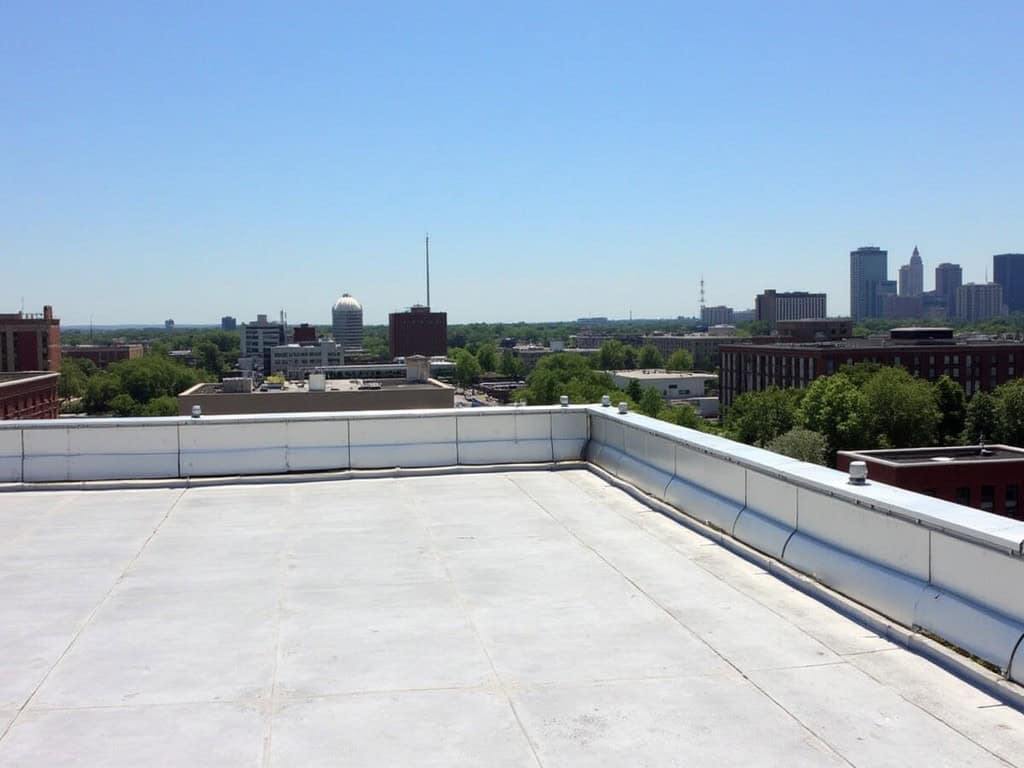
Acrylic Roof Coatings
Acrylic coatings represent one of the most popular and cost-effective options for commercial roof restoration, particularly in North Carolina’s climate.
Composition and Properties: Acrylic roof coatings are water-based elastomeric coatings that cure through water evaporation and coalescence of acrylic polymers. They form a durable, flexible membrane with excellent UV resistance and solar reflectance. Most acrylic coatings are bright white, providing superior reflectivity that reduces roof surface temperatures and lowers cooling costs.
Acrylic coatings excel at UV resistance, maintaining their protective properties and reflectivity over many years of sun exposure. They offer good flexibility, accommodating building movement and thermal expansion without cracking. Environmental friendliness is another advantage – water-based formulations have low VOC content and easy cleanup. The bright white color provides excellent solar reflectance, often achieving Solar Reflectance Index (SRI) values of 100 or higher.
Best Applications: Acrylic coatings perform exceptionally well in North Carolina’s climate, particularly for buildings prioritizing energy efficiency. They’re ideal for metal roofs where UV protection and thermal performance are critical, single-ply membrane roofs (TPO, PVC, EPDM) seeking restoration, modified bitumen roofs needing UV protection and reflectivity, and any commercial roof where cooling cost reduction is a priority.
Limitations: While acrylics offer many advantages, they have limitations to consider. Ponding water resistance is their primary weakness – prolonged exposure to standing water can cause acrylic coatings to soften and eventually fail. This makes them less suitable for roofs with drainage issues or significant low areas where water collects.
Acrylic coatings also require longer cure times than some alternatives, with sensitivity to rain during curing. Application must be timed to avoid rainfall for 4-8 hours after application, which can be challenging during North Carolina’s rainy spring and summer seasons.
Cost and Lifespan: Acrylic coatings typically represent the most economical coating option, with material costs generally lower than silicone or polyurethane alternatives. When properly applied to suitable substrates, acrylic coatings can provide 10-15 years of service, with some premium formulations warranted for 15-20 years.
Silicone Roof Coatings
Silicone coatings have gained significant popularity in recent years, particularly for commercial roofs with ponding water issues or in regions with heavy rainfall.
Composition and Properties: Silicone roof coatings cure through a moisture-initiated chemical reaction, forming a highly durable, water-resistant membrane. Unlike acrylics which are water-based, silicones are solvent-based systems that cure by reacting with atmospheric moisture.
The standout property of silicone coatings is their exceptional resistance to ponding water. Where acrylic coatings can soften under prolonged water exposure, silicones maintain their integrity even when submerged for extended periods. This makes them ideal for roofs with drainage challenges or areas prone to water accumulation.
Silicone coatings also excel at weatherability, maintaining flexibility and adhesion through extreme temperature variations, UV exposure, and weathering. They resist dirt pickup better than many alternatives, helping maintain reflectivity over time. Rain resistance during curing is another advantage – silicone coatings can withstand rain shortly after application, providing more flexibility in application scheduling.
Best Applications: Silicone coatings are the coating of choice for roofs with ponding water problems, existing or potential. They’re particularly well-suited for flat or low-slope roofs where perfect drainage is difficult to achieve, roofs in high-rainfall areas or those subject to frequent storms, metal roofs where exceptional weatherability is desired, and restoration projects where application timing flexibility is important.
In North Carolina, where afternoon thunderstorms can develop quickly during summer months, silicone’s rapid rain resistance provides significant application advantages.
Limitations: Silicone coatings’ primary limitation is dirt accumulation over time. While they resist dirt better initially than many coatings, silicones can attract and hold airborne dirt and particulates, gradually reducing their reflectivity. This is particularly relevant in industrial areas or locations with high airborne particulate levels.
Silicone coatings also have limited recoatability – applying new coatings over aged silicone systems can be challenging due to adhesion issues. This means building owners should plan on complete removal and replacement when silicone coatings eventually require renewal, rather than simple recoating.
Solvent-based formulations have higher VOC content than water-based acrylics, though low-VOC silicone formulations are increasingly available.
Cost and Lifespan: Silicone coatings typically cost 20-40% more than comparable acrylic systems. However, their superior ponding water resistance and longevity often justify the additional investment. Quality silicone coatings commonly provide 15-20 years of service, with some premium systems warranted for 20+ years.

Polyurethane Roof Coatings
Polyurethane coatings offer exceptional durability and physical toughness, making them ideal for commercial roofs subject to foot traffic or physical abuse.
Composition and Properties: Polyurethane roof coatings cure through a chemical reaction between polyol and isocyanate components, forming an extremely tough, abrasion-resistant membrane. They’re typically applied in two-component systems that mix just before application, though single-component moisture-cure formulations also exist.
The defining characteristic of polyurethane coatings is their superior impact and abrasion resistance. They withstand foot traffic, equipment loads, and physical abuse far better than acrylic or silicone alternatives. This makes them ideal for roofs with regular maintenance traffic or rooftop equipment requiring frequent servicing.
Polyurethane coatings also offer excellent adhesion to various substrates, strong chemical resistance, and can be applied in thicker films without sagging, providing robust protection in fewer coats.
Aromatic vs. Aliphatic Polyurethane: Polyurethane coatings come in two main types with distinct properties. Aromatic polyurethanes are less expensive but have poor UV resistance – they chalk and discolor when exposed to sunlight, though they maintain their protective properties. They’re typically used as base coats under more UV-stable top coats.
Aliphatic polyurethanes resist UV degradation and maintain their color and appearance over time. They cost significantly more than aromatic versions but can be used as single-coat systems or top coats. For commercial roofs, aliphatic polyurethane top coats over aromatic base coats provide an economical balance of durability and UV resistance.
Best Applications: Polyurethane coatings are ideal for high-traffic roofs with frequent maintenance access, areas around rooftop equipment requiring regular servicing, roofs subject to physical abuse or potential impact damage, and as protective base coats under acrylic or other UV-stable top coats.
In North Carolina commercial applications, polyurethane base coats under acrylic top coats create systems with exceptional durability and UV resistance.
Limitations: Polyurethane coatings have some application challenges. Two-component systems require mixing and have limited pot life after mixing, demanding careful planning and experienced applicators. They’re also sensitive to moisture during application – substrate moisture can cause bubbling or poor adhesion.
UV sensitivity of aromatic polyurethanes requires top coating for most applications, adding cost and complexity. VOC content can be higher than water-based alternatives, though compliant formulations are available.
Cost and Lifespan: Polyurethane systems, particularly aliphatic formulations, typically represent the highest-cost coating option. However, their exceptional durability can justify the investment for appropriate applications. Properly applied polyurethane systems can provide 15-20+ years of service.
Asphalt-Based Roof Coatings
Asphalt-based coatings represent traditional coating technology still used in specific applications, particularly for built-up roofing and modified bitumen systems.
Composition and Properties: Asphalt coatings use asphalt as the primary binder, often modified with aluminum flakes, fibers, or other additives to enhance performance. They come in both solvent-based (cutback asphalt) and water-based (emulsion) formulations.
Aluminum-pigmented asphalt coatings provide moderate reflectivity through their metallic finish. Fibrated asphalt coatings include reinforcing fibers that add strength and crack-bridging ability. Asphalt emulsions offer water-based application with lower VOCs than solvent-based cutbacks.
Best Applications: Asphalt coatings work best on asphalt-based roofing systems like built-up roofs and modified bitumen, providing compatible protection. They’re economical for temporary protection or short-term roof life extension, appropriate for roofs where appearance is not critical, and useful for maintenance coating of asphalt-based systems between major renovations.
Limitations: Asphalt coatings have significant limitations compared to modern elastomeric alternatives. Their reflectivity is limited even with aluminum pigmentation, providing minimal cooling benefit. They become brittle over time, particularly with UV exposure, requiring frequent reapplication. Asphalt coatings also have poor resistance to ponding water and chemicals.
Environmental concerns include higher VOC content in cutback formulations and limited sustainability compared to modern alternatives.
Cost and Lifespan: Asphalt coatings represent the lowest-cost option but also provide the shortest service life. They typically require reapplication every 2-5 years, making their long-term cost higher than more durable alternatives despite lower initial investment.
For most North Carolina commercial applications, modern elastomeric coatings provide better value despite higher upfront costs.

Specialty Coating Systems
Beyond the major coating categories, several specialty coating systems address specific needs or offer unique properties.
Butyl Rubber Coatings: Butyl coatings offer excellent water resistance and flexibility, making them suitable for areas with extreme movement or difficult waterproofing challenges. They’re sometimes used for detail work or specific problem areas rather than entire roof coating.
Polyurea Coatings: Polyurea represents extremely fast-curing coating technology with exceptional durability. Applied by specialized spray equipment, polyurea cures in seconds to minutes, allowing rapid project completion. However, the specialized equipment requirements and high material costs limit polyurea to specific applications where rapid cure is critical.
Hybrid Coating Systems: Some manufacturers offer hybrid coatings combining properties of multiple technologies. For example, silicone-acrylic hybrids attempt to balance acrylic’s affordability with silicone’s ponding water resistance.
Selecting the Right Coating for Your Commercial Roof
Choosing the optimal coating system requires evaluating multiple factors specific to your building and requirements.
Existing Roof Type: Different roof substrates perform better with certain coating types. Metal roofs often benefit from acrylic or silicone coatings that provide UV protection and flexibility. Single-ply membranes (TPO, PVC, EPDM) work well with acrylic or silicone systems. Modified bitumen and built-up roofs can use any coating type but particularly benefit from systems with good adhesion to asphalt surfaces.
Drainage Conditions: Roof drainage significantly influences coating selection. Roofs with excellent drainage and no ponding water can use any coating type. Roofs with minor ponding (water dissipating within 48 hours) perform well with quality acrylic coatings. Roofs with significant ponding or chronic drainage issues should use silicone coatings for maximum water resistance.
Traffic and Physical Demands: Consider how the roof will be used. High-traffic roofs with frequent maintenance access benefit from polyurethane base coats. Roofs with equipment requiring regular servicing should prioritize durability. Roofs with minimal traffic can use less expensive acrylic or silicone systems.
Energy Efficiency Goals: If reducing cooling costs is a priority, bright white acrylic coatings provide maximum solar reflectance. For metal buildings where heat gain is significant, reflective coatings can reduce surface temperatures by 50-80°F, substantially lowering air conditioning loads.
Budget Considerations: Initial cost must be balanced against expected service life. While acrylic coatings cost less initially, silicone’s longer lifespan and superior ponding resistance may provide better long-term value for appropriate applications. Consider total lifecycle costs rather than just initial investment.
Application Timing: North Carolina’s climate affects coating selection and application timing. Spring and fall typically offer ideal conditions with moderate temperatures and lower rainfall probability. Summer’s heat can cause rapid drying (beneficial for some coatings, challenging for others) but afternoon thunderstorms create scheduling challenges. Silicone coatings’ rain resistance provides more flexibility during uncertain weather periods.
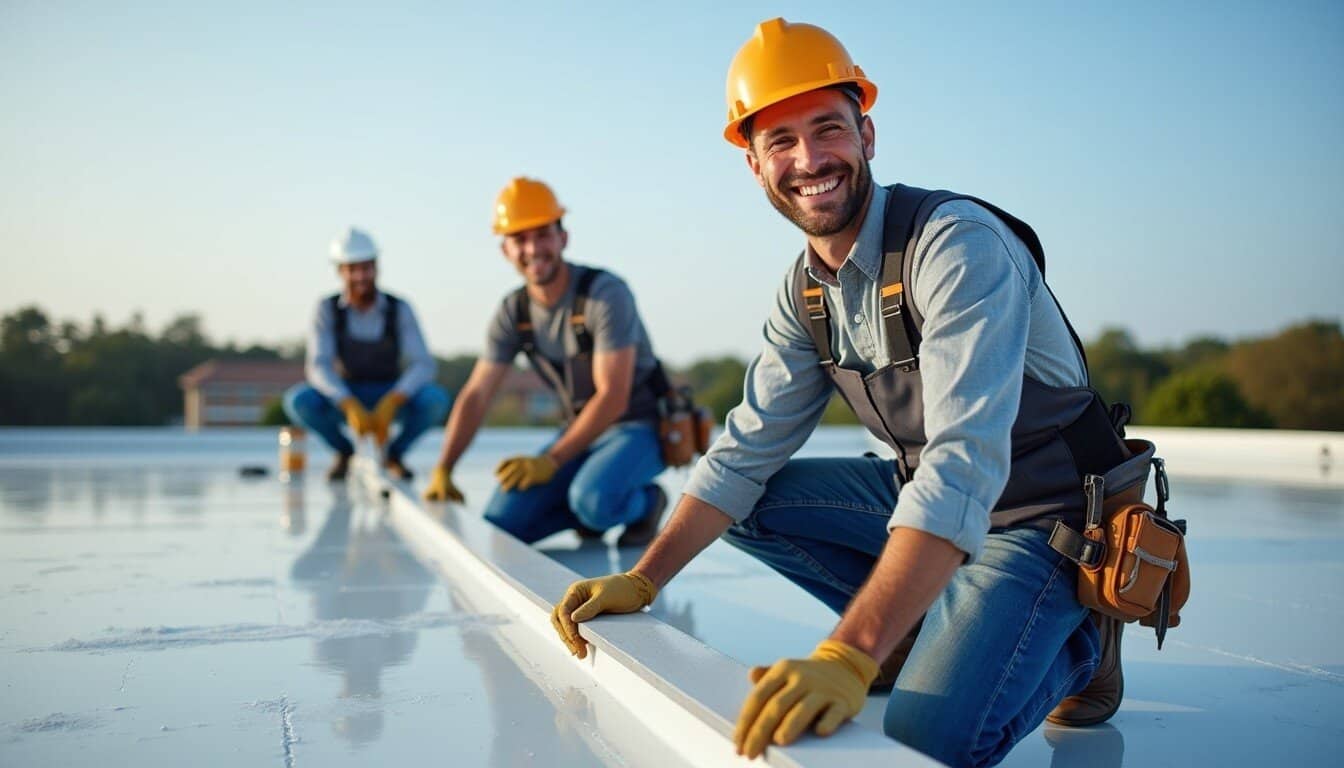
Coating Application: Critical Success Factors
Even the best coating system fails if improperly applied. Several factors critically influence coating performance.
Surface Preparation: Thorough surface preparation is absolutely essential. The roof must be clean, dry, and free of loose materials, oils, or contaminants that could prevent adhesion. Power washing, chemical cleaning, or mechanical preparation may be necessary depending on roof conditions.
All necessary repairs must be completed before coating application. This includes fixing leaks, replacing damaged insulation, securing loose fasteners, and addressing any structural issues. Coating systems restore and protect but don’t fix underlying problems.
Proper Application Thickness: Coatings must be applied at manufacturer-specified thickness to perform as warranted. Too thin, and the coating won’t provide adequate protection or durability. Too thick creates waste and can cause application issues.
Most coating systems require 1.5-2 gallons per 100 square feet (about 20-30 mils dry film thickness) for full system warranties. This typically requires two coats – a base coat and finish coat – to achieve proper thickness and ensure complete coverage.
Weather Conditions: Coating application requires suitable weather. Most systems require dry surfaces and no rain forecast for several hours after application. Temperature requirements vary by product but generally fall within 50-100°F for optimal curing.
North Carolina’s variable weather demands flexibility in scheduling and sometimes requires adjusting work hours to avoid afternoon thunderstorms or extreme heat.
Professional Application: While some property owners consider DIY coating application, professional installation ensures proper surface preparation, correct product selection, appropriate application thickness, warranty compliance, and proper safety procedures.
Experienced commercial roofing contractors understand the nuances of different coating systems and how to apply them for optimal performance in North Carolina’s climate.
Coating Warranties and Maintenance
Understanding warranty terms and maintenance requirements helps maximize coating system value.
Warranty Types: Coating manufacturers typically offer material warranties covering coating defects. These range from 5-20+ years depending on coating type and system specification. Some manufacturers offer system warranties that cover both materials and installation when applied by approved contractors. Extended warranties often require specific application procedures and regular maintenance.
Maintenance Requirements: Most coating warranties require periodic maintenance to remain valid. This typically includes annual or biannual roof inspections, prompt repair of any damage, keeping the roof clean and drainage systems clear, and avoiding incompatible materials or chemicals on the roof surface.
Regular maintenance not only maintains warranty coverage but extends coating life and protects the underlying roof system.
Recoating Considerations: Most coating systems can be recoated when they eventually age, extending roof life further without complete replacement. Acrylic and polyurethane systems recoat relatively easily. Silicone coatings may require special primers for recoating. The ability to recoat represents a significant advantage of coating systems – you’re not just extending roof life once but creating a maintenance strategy that can potentially provide decades of service through periodic recoating.
Environmental and Energy Considerations
Roof coatings offer significant environmental and energy benefits beyond simple roof restoration.
Sustainability Benefits: Coating existing roofs avoids the waste generated by roof tear-off and replacement. A typical commercial roof replacement sends tons of material to landfills. Coating systems restore and protect existing roofs, dramatically reducing waste.
Many coating systems use recycled or sustainable materials and water-based formulations with low environmental impact. The extended roof life from coating also reduces the frequency of roof replacements over a building’s lifetime.
Energy Savings: Reflective roof coatings significantly reduce cooling costs in North Carolina’s climate. Studies show that reflective coatings can reduce roof surface temperatures by 50-80°F compared to uncoated dark roofs. This temperature reduction translates to 10-30% cooling cost savings depending on building characteristics, insulation levels, and HVAC efficiency.
For large commercial facilities with substantial cooling loads, these energy savings can offset coating costs within a few years while providing ongoing savings throughout the coating’s service life.
Cool Roof Programs and Incentives: Some utility companies and government programs offer rebates or incentives for installing reflective roof coatings that meet specified Solar Reflectance Index (SRI) values. Building owners should investigate available programs that might offset coating costs.
The Flat Roof Specialists: Coating Expertise for North Carolina Commercial Roofs
For over two decades, The Flat Roof Specialists have helped North Carolina commercial property owners extend roof life and improve building performance through professional roof coating systems. Serving Raleigh, Durham, Greensboro, Winston-Salem, High Point, Burlington, Chapel Hill, Fayetteville, and throughout North Carolina, their team brings specialized expertise in coating selection, preparation, and application.
Whether you’re evaluating coating options for an aging roof, seeking to improve energy efficiency through reflective coatings, need professional assessment of coating suitability for your specific roof, or require expert application that ensures proper performance and warranty coverage, The Flat Roof Specialists provide the expertise North Carolina businesses have trusted since 2000.
Their experience with all major commercial roofing systems and coating types means they can recommend the optimal solution for your specific situation rather than promoting a single product. They understand how different coatings perform in North Carolina’s climate and can help you balance initial cost, expected performance, and long-term value.
As a family-owned business with an A+ Better Business Bureau rating, they’re committed to honest assessments and quality work. Their licensed, bonded, and insured team provides professional expertise you can trust for protecting your commercial roofing investment.
Making the Coating Decision: Key Takeaways
Selecting the right roof coating system requires understanding your specific needs and how different coating types address them.
For Maximum Reflectivity and Energy Savings: Choose bright white acrylic coatings for superior solar reflectance and cooling cost reduction, particularly on well-drained roofs.
For Roofs with Ponding Water Issues: Select silicone coatings for their exceptional resistance to standing water and weather durability.
For High-Traffic or Abuse-Resistant Applications: Specify polyurethane base coats with acrylic or aliphatic polyurethane top coats for maximum durability.
For Budget-Conscious Projects with Good Drainage: Acrylic coatings provide excellent value for roofs in good condition without ponding water problems.
For Long-Term Performance: Silicone coatings typically offer the longest service life, making them cost-effective despite higher initial investment.
Contact The Flat Roof Specialists Today
 Whether you need professional evaluation of coating options for your commercial roof, expert assessment of your roof’s suitability for coating systems, quality coating application that ensures optimal performance and warranty coverage, or guidance on maximizing energy savings through reflective roofing, The Flat Roof Specialists bring the expertise and experience North Carolina commercial property owners need.
Don’t make coating decisions based solely on cost or limited information. A professional assessment can help you select the coating system that provides the best long-term value for your specific roof conditions and requirements.
Contact The Flat Roof Specialists today to discuss your commercial roof coating needs and discover how the right coating system can extend your roof life, improve energy efficiency, and protect your North Carolina business investment for years to come.