


How Commercial Building Owners Can Prevent Hail Damage
Protecting Your North Carolina Commercial Property from One of Nature’s Most Destructive Forces
When dark clouds roll in and that distinctive pinging sound begins hitting your commercial roof, property owners across North Carolina hold their breath. Hail storms, while less frequent than other weather events, can cause devastating damage to commercial roofing systems in minutes – damage that may cost tens of thousands of dollars to repair and potentially compromise your building’s protection for months or years.
For business owners managing commercial properties in Raleigh, Durham, Greensboro, Winston-Salem, and throughout North Carolina, understanding hail damage prevention isn’t just about avoiding immediate repair costs. It’s about protecting your investment, maintaining business operations, and ensuring your building envelope performs reliably for its intended lifespan.
Understanding Hail and Its Impact on Commercial Roofs
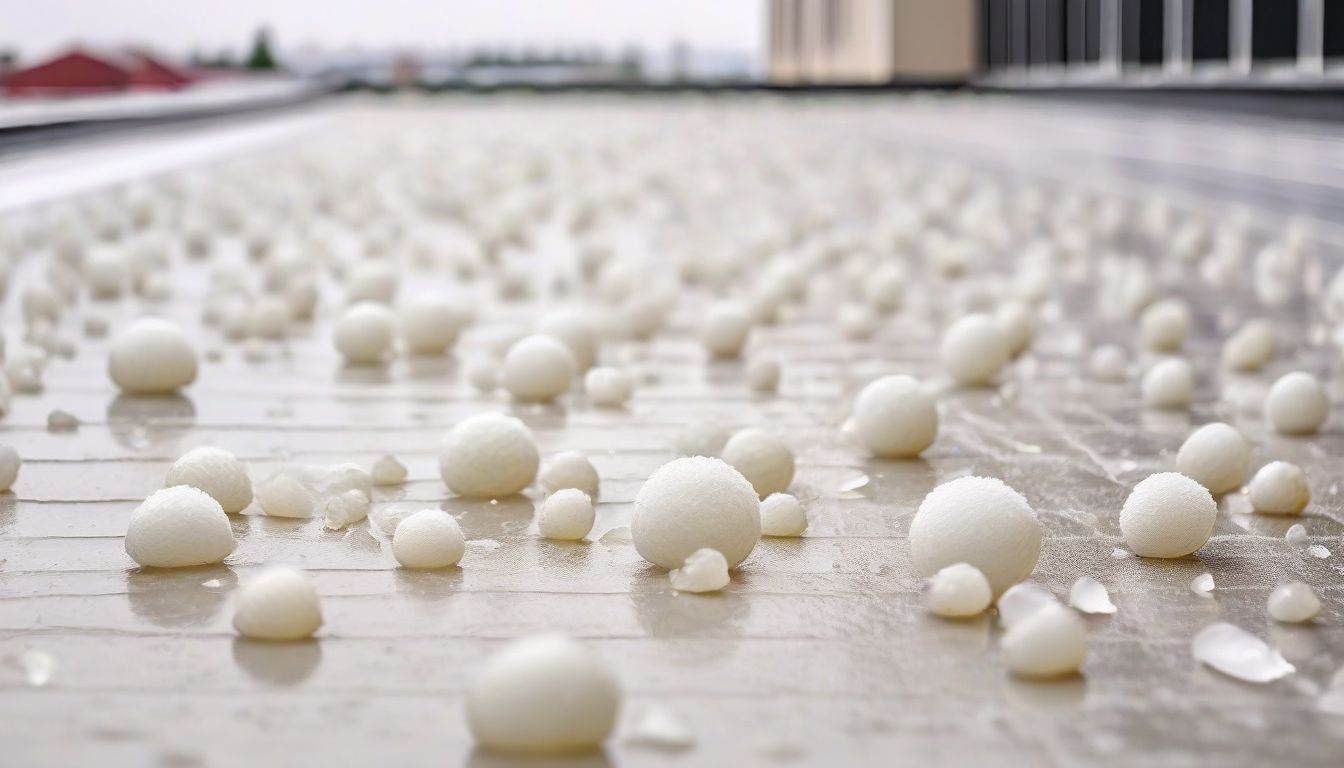
Hail forms when updrafts in thunderstorms carry water droplets into extremely cold areas of the atmosphere where they freeze into ice. These ice pellets can grow as they’re repeatedly lifted by updrafts, accumulating layers of ice until they become too heavy for the updraft to support. When they finally fall, they can reach speeds of 100+ mph depending on their size.
North Carolina experiences hail events primarily during spring and early summer months when atmospheric conditions create the severe thunderstorms that produce hail. While the state doesn’t face hail as frequently as regions like “Hail Alley” in the Great Plains, North Carolina does see significant hail events capable of damaging commercial roofing systems.
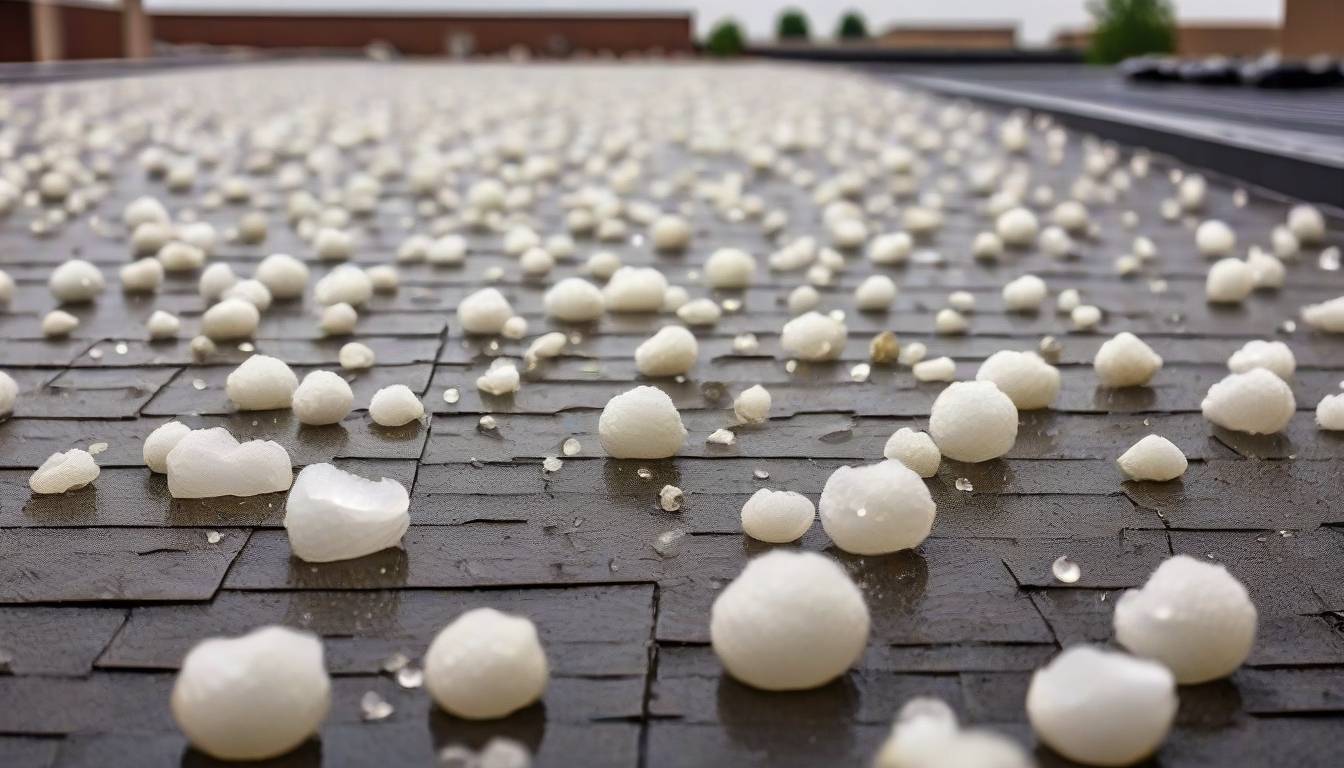
The damage hail causes to commercial roofs depends on several factors: hail size (ranging from pea-sized to softball-sized in extreme events), fall velocity, roof material composition, existing roof condition, and the angle of impact. Even moderate-sized hail (1-2 inches in diameter) can cause substantial damage to roofing membranes, while larger hail can puncture membranes, crack insulation, and even damage roof decking.
Why Commercial Flat Roofs Are Particularly Vulnerable
Flat and low-slope commercial roofs face unique vulnerabilities during hail events compared to steep-slope residential roofing systems.
Direct Impact Angles: While sloped roofs cause some hail to strike at angles and glance off, flat roofs receive the full force of direct vertical impacts. Every hailstone hits perpendicular to the roof surface, maximizing impact energy transfer.
Membrane-Based Systems: Most commercial flat roofs use membrane-based roofing systems (TPO, PVC, EPDM, or modified bitumen) rather than impact-resistant shingles or tiles. These membranes, while excellent for waterproofing and durability under normal conditions, can be punctured or damaged by large hail.
Exposed Surfaces: Commercial roofs typically have large unobstructed areas without the equipment screens, parapets, or other features that might provide some protection during hail events. This exposure means more roof surface area is vulnerable to direct hail impact.
Existing Conditions: Older commercial roofs or those with deferred maintenance may have areas where membranes have already become brittle or compromised. These vulnerable areas suffer more extensive damage during hail events than well-maintained roofing systems.
Prevention Strategy #1: Material Selection and Roof Design
The most effective hail damage prevention begins before your roof is installed – during the design and material selection phase.
Impact-Resistant Roofing Materials: Not all commercial roofing membranes perform equally during hail events. Some materials have been specifically engineered and tested for impact resistance. When specifying or replacing commercial roofing systems, consider materials that have undergone FM Global or UL 2218 impact resistance testing.
TPO and PVC membranes with reinforced fabrics generally provide better impact resistance than unreinforced materials. Thicker membranes (60-mil or 80-mil) withstand impact better than thinner options (45-mil). While thicker membranes cost more initially, the additional impact resistance may prove valuable over the roof’s lifespan, particularly in areas of North Carolina prone to severe thunderstorms.
Modified bitumen roofing systems with granulated surfaces offer excellent impact resistance due to their multi-layer construction and protective granule cap sheets. The granules help dissipate impact energy, while the multiple plies provide redundant protection.
Protective Surfacing: Some roofing systems can incorporate protective surfacing layers that absorb impact energy. Ballasted roof systems using river rock provide excellent hail protection – the stones absorb impacts before they reach the membrane. However, ballasted systems require adequate structural capacity and create challenges for roof access and maintenance.
Aggregate-surfaced built-up roofing systems similarly provide impact protection through the embedded stone layer. The aggregate dissipates hail energy across a broader area rather than concentrating it on the membrane itself.
Design Considerations: While you can’t change a roof’s slope after construction, this factor should be considered during new construction or major renovations. Even modest increases in roof slope (from 1/4:12 to 1:12 or 2:12) reduce direct impact forces by introducing some angle to hailstone strikes. This consideration must be balanced against drainage, structural, and cost factors, but it represents one design element that influences hail resistance.
Prevention Strategy #2: Protective Coating Systems
For existing commercial roofs, protective coating systems offer a practical method to enhance hail resistance without complete roof replacement.
Elastomeric Roof Coatings: These coatings create a seamless, flexible membrane over existing roofing systems. Quality elastomeric coatings provide several hail-related benefits: they add a protective layer that absorbs some impact energy, they can help restore brittleness to aging membranes (making them less likely to crack under impact), and they often have self-healing properties that allow minor damage to seal itself.
Silicone and acrylic roof coatings have both demonstrated good performance in impact testing. When applied at appropriate thickness (typically 20-30 mils for hail resistance), these coatings add meaningful protection to underlying roofing membranes.
Timing Coating Application: Roof coatings provide the best hail protection when applied to roofs in good overall condition. Coating a severely deteriorated roof won’t provide the same protective benefits as coating a roof with minor aging but intact structure. Regular roof inspections help identify the optimal timing for coating application – after the roof has aged enough to justify the investment but before deterioration becomes severe.
Reflective Benefits: As a bonus, many protective coatings are highly reflective, reducing solar heat absorption and lowering cooling costs. In North Carolina’s hot summers, this dual benefit (hail protection plus energy savings) often justifies coating investments even beyond hail considerations alone.
Prevention Strategy #3: Regular Maintenance and Inspections
While proper maintenance won’t prevent hail from striking your roof, it significantly reduces the damage hail causes and helps identify problems before they become major issues.
Pre-Season Inspections: Schedule comprehensive roof inspections before North Carolina’s primary hail season (typically April through July). These inspections should identify and address any existing membrane damage, seam separations, or areas of deterioration. Repairing these vulnerable areas before hail season means fewer weak points for hailstones to exploit.
Inspections should also verify that all roof-mounted equipment is properly secured, flashing remains intact, and drainage systems are clear. While these elements don’t directly prevent hail damage, they ensure your roof is in optimal condition to weather storms.
Post-Storm Inspections: After any significant hail event, professional roof inspection becomes critical – even if you don’t see obvious damage from the ground. Hail damage to commercial roofing membranes may not be immediately apparent. Small punctures or bruising might not leak initially but can accelerate membrane deterioration and lead to failures months or years later.
Professional roofing contractors trained in hail damage assessment can identify subtle indicators that building owners might miss: membrane bruising that hasn’t yet penetrated, impact marks on metal components that indicate hail size and intensity, or damage to vulnerable areas like seams and penetrations.
Documentation: Thorough documentation of roof condition before and after hail events proves invaluable for insurance claims. Regular professional inspections create dated records of roof condition, while post-storm documentation captures damage details needed for claims processing.
Prevention Strategy #4: Equipment and Penetration Protection
Rooftop equipment and penetrations represent particularly vulnerable points during hail events and deserve special attention.
Equipment Screens and Covers: HVAC units, exhaust fans, and other rooftop equipment often have metal panels or components that can be dented or damaged by hail. While this doesn’t necessarily affect the roof membrane, it can compromise equipment function and create expensive equipment repairs. Protective screens or covers can shield vulnerable equipment components from hail damage.
Pipe and Vent Protection: Roof penetrations like plumbing vents, exhaust pipes, and conduit penetrations often use plastic or soft metal components vulnerable to hail damage. Damaged vent caps can allow water infiltration during subsequent rain events. Regular inspection and prompt replacement of damaged components prevents these secondary water intrusion issues.
Solar Panel Considerations: For roofs with photovoltaic arrays, hail can damage both the panels themselves and the roofing membrane at mounting points. Quality solar panels are designed to withstand hail impacts, but older panels or economy options may be more vulnerable. Consult with solar installers about hail ratings for panels installed in North Carolina.

Prevention Strategy #5: Comprehensive Maintenance Programs
Perhaps the most effective long-term hail damage prevention strategy is enrolling in a comprehensive roof maintenance program that keeps your commercial roof in optimal condition year-round.
Preventative Maintenance Benefits: Regular professional maintenance identifies and addresses minor issues before they become major problems. Small membrane repairs, seam reinforcement, and flashing maintenance keep the roof in prime condition to resist hail impacts. A well-maintained roof with intact, flexible membrane material withstands hail better than a neglected roof with brittle, degraded materials.
Priority Service: Maintenance program members typically receive priority emergency service after major storms. When hail damages roofs across a region, demand for roofing contractors surges. Maintenance program members get faster response times for damage assessment and repairs, minimizing the window where damaged roofs remain vulnerable to water infiltration.
Cost Predictability: Maintenance programs provide cost predictability through regular scheduled service. Rather than facing unexpected major repair bills after hail events, property owners with maintenance programs often find that regular small investments in upkeep reduce the severity and cost of hail damage when it occurs.
What to Do When Hail Damage Occurs
Despite best prevention efforts, some hail events simply overwhelm roofing systems. Knowing how to respond when damage occurs minimizes long-term consequences.
Immediate Actions: After a significant hail event, conduct a preliminary visual inspection from the ground or from inside the building looking for obvious signs of damage like water stains on ceilings. Don’t walk on the roof immediately after a hail storm – damaged membranes may be more vulnerable to foot traffic, and wet roof surfaces create slip hazards.
Professional Assessment: Contact a professional roofing contractor experienced with hail damage assessment as soon as possible after the storm. The Flat Roof Specialists provide emergency response services throughout North Carolina, with trained technicians who can quickly assess hail damage and recommend appropriate repairs.
During professional assessment, contractors evaluate the extent of membrane damage, check for punctures or tears, assess impact damage to flashing and penetrations, inspect rooftop equipment for damage, and document all findings with photographs and detailed reports for insurance purposes.
Temporary Repairs: If assessment reveals significant damage that could allow water infiltration, temporary repairs or tarping may be necessary to protect your building while permanent repairs are planned. Emergency service providers should focus first on preventing additional damage, then on developing comprehensive repair strategies.
Insurance Claims: Document all hail damage thoroughly with photographs, written reports, and professional assessment documentation. Contact your insurance provider promptly to initiate claims processes. Experienced roofing contractors can assist with insurance documentation, providing detailed damage reports and repair estimates that support your claim.
Permanent Repairs: Once insurance processes are complete, schedule permanent repairs as quickly as possible. Temporary repairs provide interim protection but don’t restore your roof to proper condition. Delaying permanent repairs allows damage to worsen and may create warranty or insurance issues if subsequent damage occurs.
The Role of Professional Roofing Contractors in Hail Prevention
While building owners can implement some hail prevention strategies independently, professional roofing contractors provide expertise, experience, and capabilities that significantly enhance prevention efforts.
Expert Material Selection: Experienced commercial roofing contractors understand which materials perform best in North Carolina’s climate and can recommend roofing systems with optimal hail resistance for your specific application and budget.
Proper Installation: Even the most hail-resistant materials won’t perform as designed if poorly installed. Professional contractors ensure that membranes are properly adhered, seams are correctly sealed, and details are executed to manufacturer specifications – all factors that influence how well roofs withstand hail impacts.
Maintenance Expertise: Professional maintenance goes far beyond what building maintenance staff can accomplish. Trained roofing technicians spot early signs of deterioration, understand how different roofing systems age, and know which repairs will most effectively extend roof life and enhance hail resistance.
Storm Response: When hail damage occurs, experienced contractors provide rapid assessment, temporary protection, detailed documentation for insurance purposes, and quality permanent repairs. Their expertise navigating insurance processes and understanding what documentation insurers require helps ensure claims proceed smoothly.
The Flat Roof Specialists: Your Partner in Hail Damage Prevention and Response
For over two decades, The Flat Roof Specialists have helped North Carolina commercial property owners protect their roofing investments from hail and other storm damage. Serving Raleigh, Durham, Greensboro, Winston-Salem, High Point, Burlington, Chapel Hill, Fayetteville, and throughout North Carolina, their team brings specialized expertise in commercial flat roofing systems that general contractors cannot match.
Whether you’re planning a new commercial roof installation and want materials engineered for hail resistance, considering protective coatings for an existing roof, need comprehensive maintenance programs to keep your roof in optimal condition, or require emergency response after hail damage, The Flat Roof Specialists provide the expertise North Carolina businesses have trusted since 2000.
Their experience with all major commercial roofing systems – PVC, TPO, EPDM rubber, modified bitumen, and built-up roofs – ensures they can address hail prevention and damage repair for any commercial flat roof type. As a family-owned business with an A+ Better Business Bureau rating, they’re committed to the long-term relationships that come from delivering quality service and standing behind their work.
Taking Proactive Steps Today
Hail damage prevention requires a proactive approach rather than reactive responses after damage occurs. Building owners who invest in impact-resistant materials, protective coatings, regular maintenance, and relationships with experienced roofing contractors position themselves to weather North Carolina’s storm seasons with minimal damage and disruption.
Don’t wait until the next severe thunderstorm warning to think about your commercial roof’s hail resistance. Schedule a comprehensive roof inspection to assess current condition and identify opportunities to enhance hail protection. If your roof is aging or showing signs of deterioration, explore options for protective coatings or system upgrades that provide improved impact resistance. Consider establishing a maintenance program that keeps your roof in optimal condition year-round while providing priority emergency service when storms strike.
Your commercial roof represents a significant investment protecting everything beneath it – your equipment, inventory, operations, and people. In North Carolina’s climate, where severe thunderstorms and hail remain constant threats during spring and summer months, protecting that investment requires attention to hail resistance and damage prevention.
Contact The Flat Roof Specialists Today
 Whether you need preventative maintenance, hail damage assessment, emergency repairs, or complete roof replacement, The Flat Roof Specialists bring the expertise and experience North Carolina commercial property owners need. Their licensed, bonded, and insured team is ready to help protect your commercial property from hail damage and ensure your roofing system delivers the long-term performance you deserve.
Don’t let the next hail storm catch you unprepared. Contact The Flat Roof Specialists today to discuss your commercial roofing needs and discover how their comprehensive approach to hail prevention and storm damage response can protect your North Carolina business for years to come.